Zeposia
Rebranding the Patient Web Experience
The goal of the project was to modernize Zeposia's condition- specific website for Multiple Sclerosis (MS) and Ulcerative Colitis (UC) by streamlining strategic messaging and improving overall user experience. As lead UX/UI Designer for the MS site, I collaborated with cross-functional partners to align both sites with improved components, developing a user journey map, and designing compelling screens while presenting designs to stakeholders . While conducting user research our audit revealed dense content, confusing navigation, and inconsistent branding that hindered comprehension and engagement. This prompted a redesign focused on clarity, empathy, and patient-centered storytelling.
Client
Bristol Myers
Service Provided
Web Design
Deliverables
UI Screens
User Research
Iconographies
User Flow
The Outcome
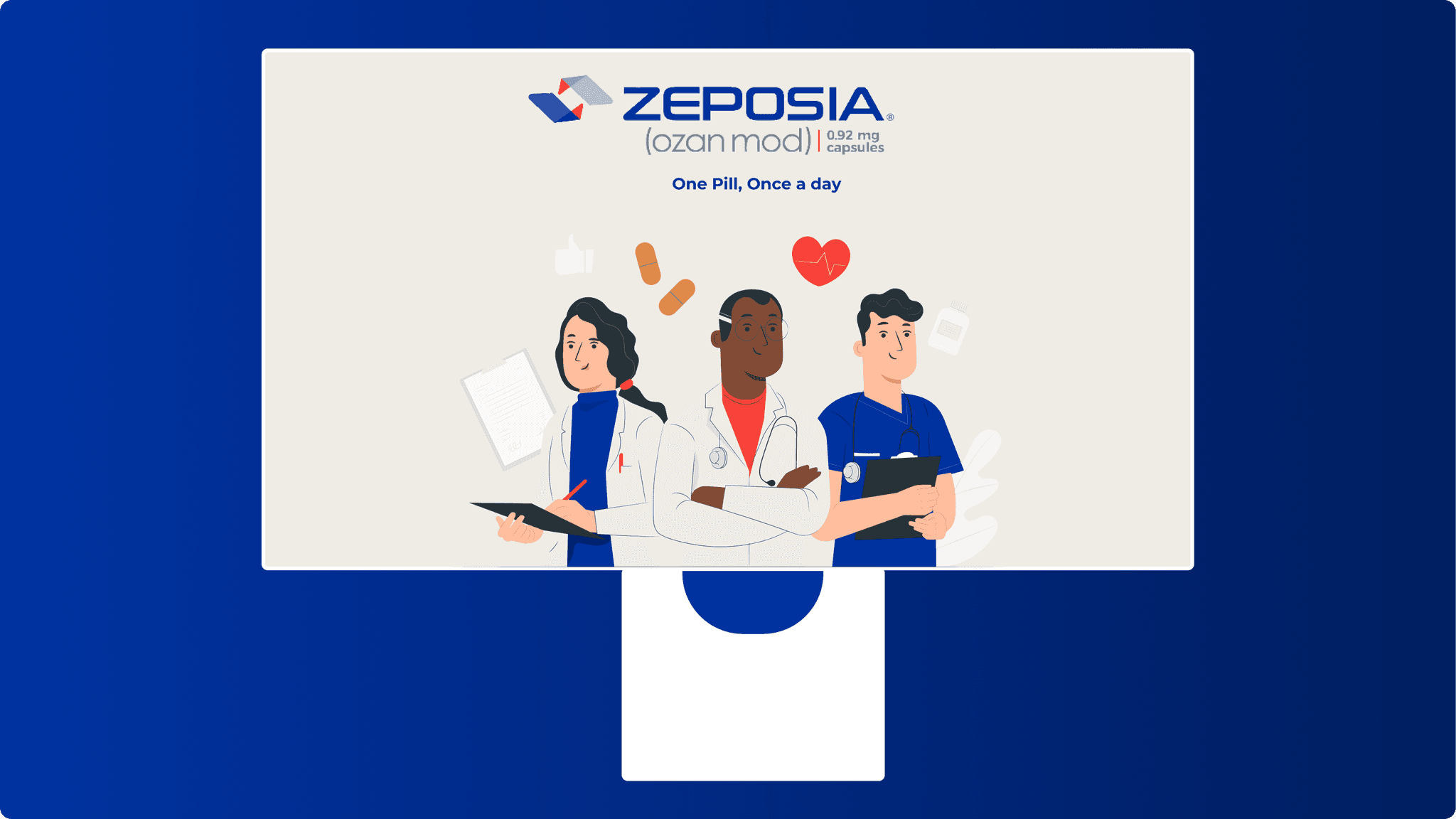
The redesigned ZEPOSIA website made it easier for patients to access trusted treatment information and educational resources directly online, reducing their need to consult doctors for basic questions. By consolidating subpages, improving navigation, and introducing shared components across both MS and UC portals, we created a unified, accessible, and patient-centered experience that strengthened brand consistency and improved usability.
20%
Increase Educational Content Engagement
15%
Reduced Navigation Abandonment Rate
Improved Navigation
A digestible and intuitive guide for easy product discovery.
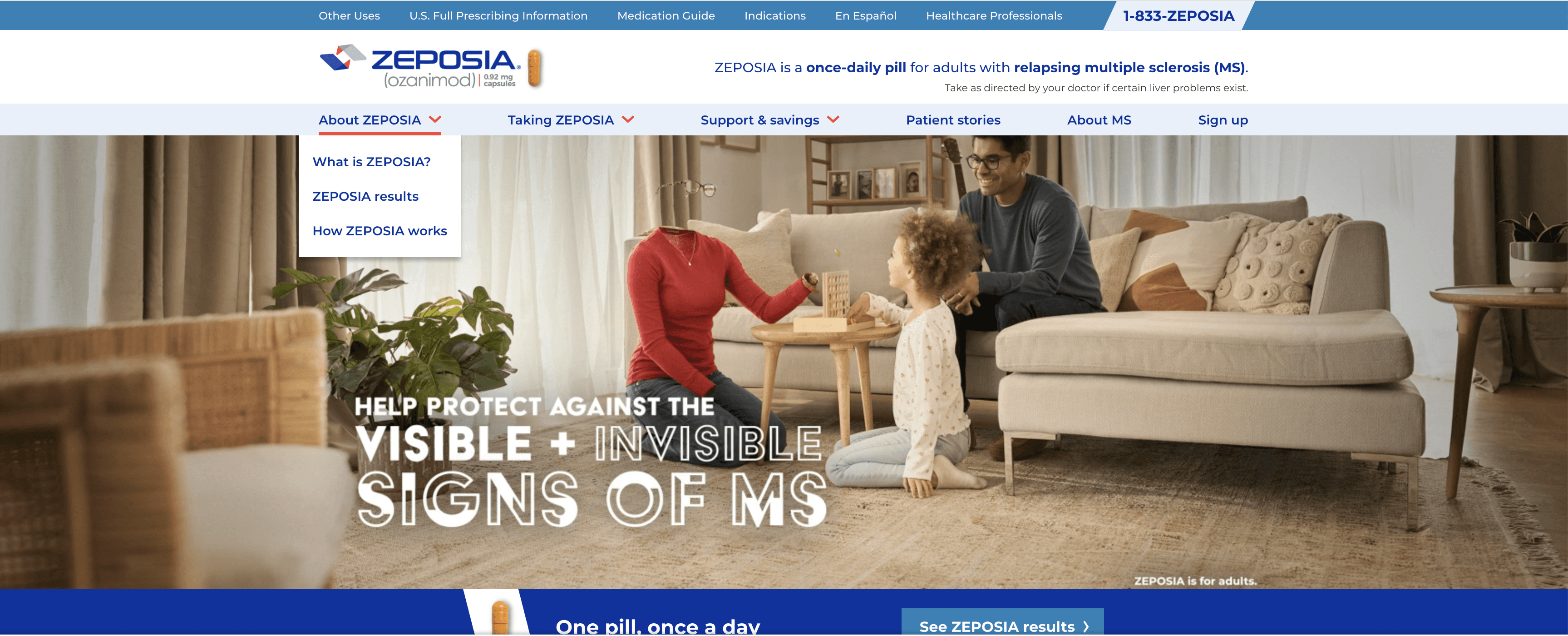
Shipped Example: Redesigned Home Screen with horizontal Navigation
Reducing Inconsistencies & Increasing Engagement
System Approach: We optimized and rebranded the navigation to establish clear user-friendly wayfinding paths to symptom and treatment information. Designed to avoid patients doing any guesswork. The primary navigation guides patients to high-level categories, while sub-navigation surfaces specific topics that enable quick scanning and highlights user selections without overwhelming the users view.
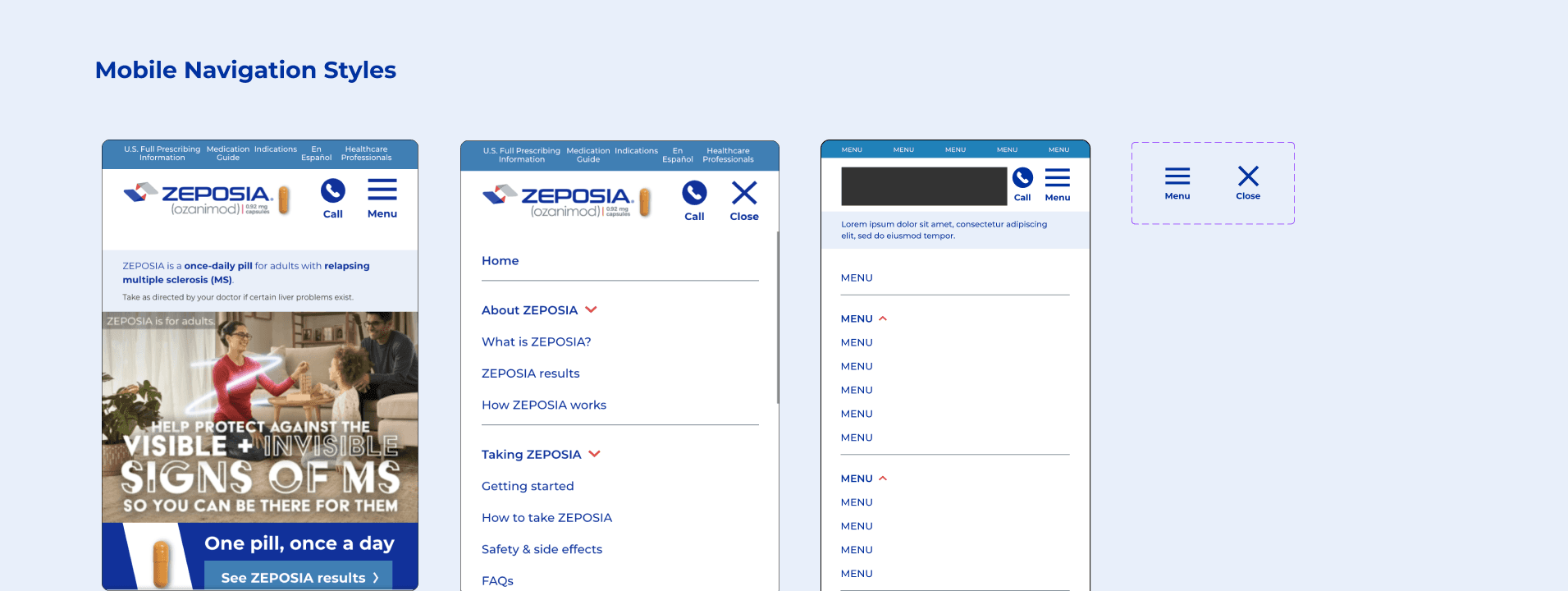
Shipped Example: Desktop & Mobile Navigation UI Component Cards
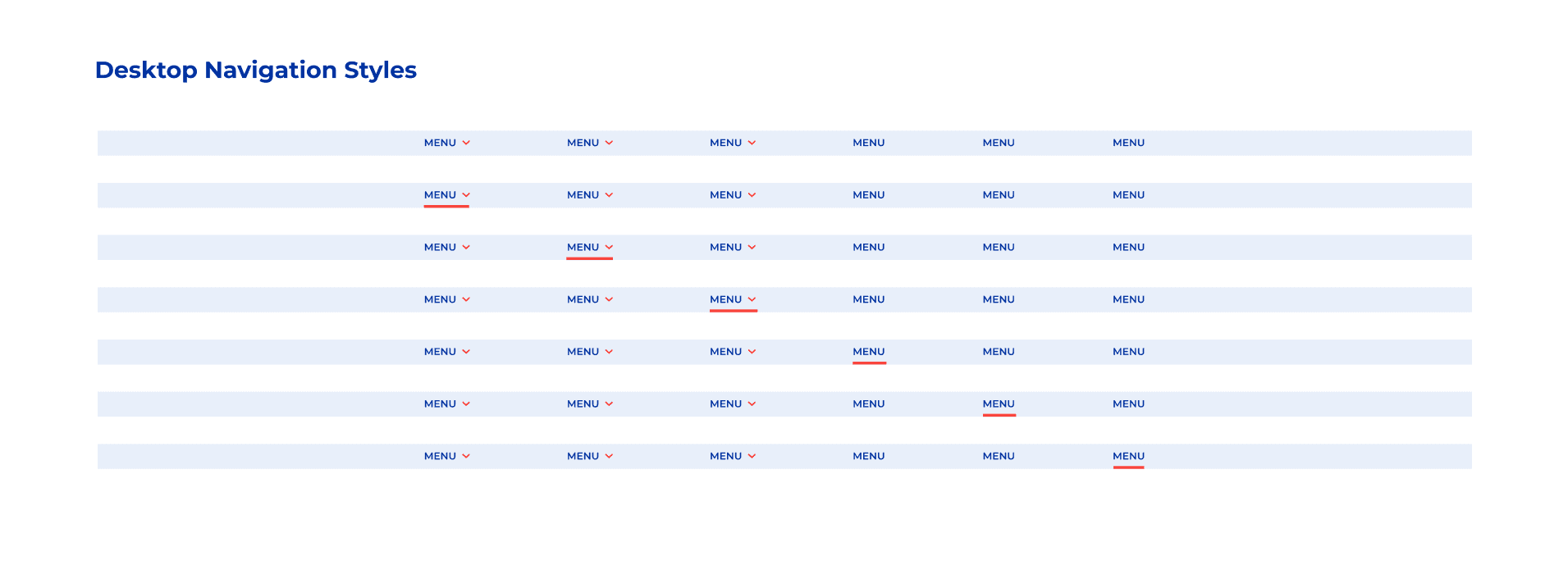
System Approach: Due to limited screen spacing and strict compliance requirements, the home and section screens required a layout that balanced space efficiency and maintained patient usability. To achieve this our team implemented a right-aligned mobile navigation menu reinforcing cross-site consistency to improve patient scrolling behavior and ensure longer section labels remain fully visible across both mobile and desktop view.
Modifying UI Characteristics for Brand Consistency
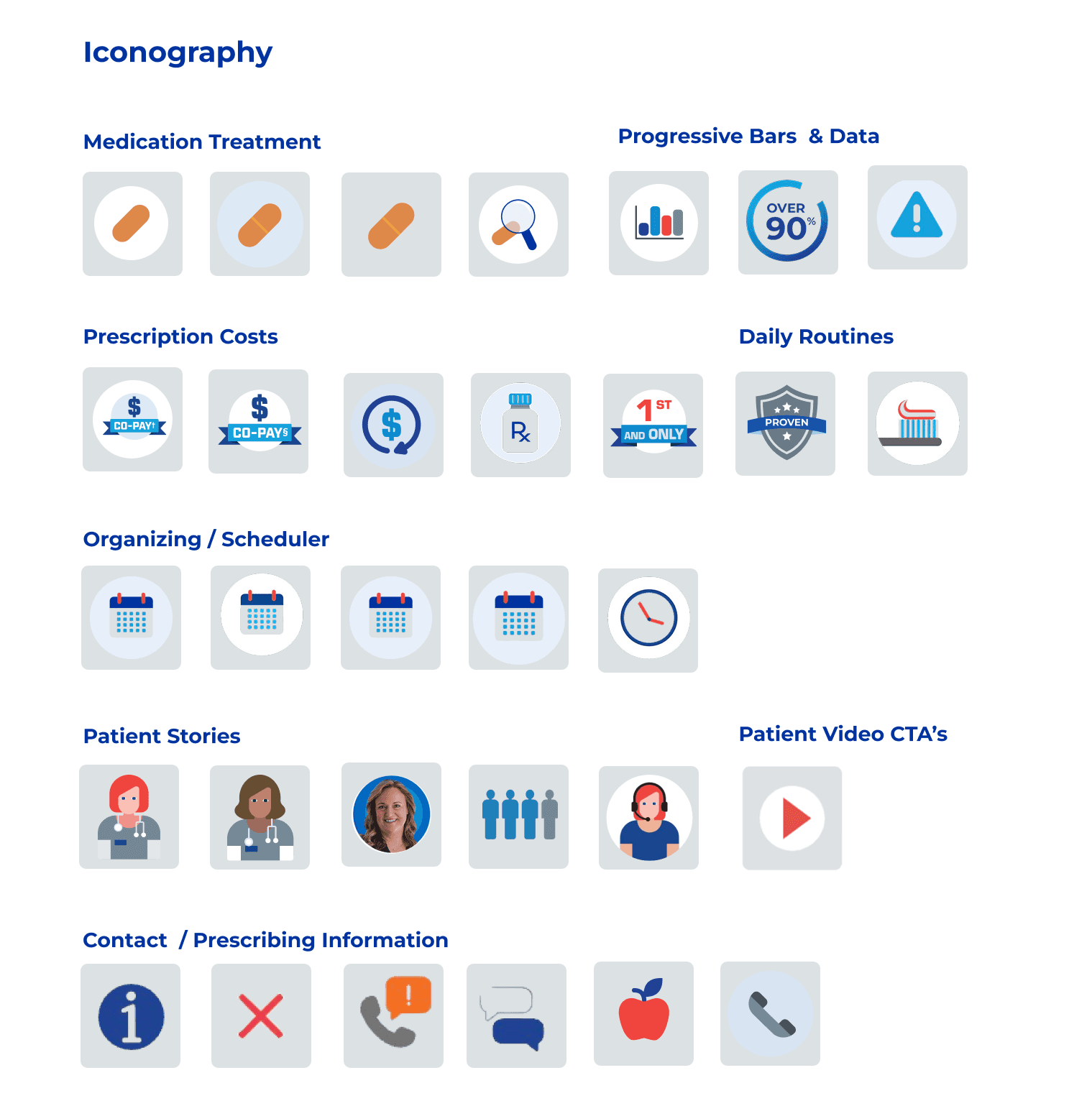
System Approach: Initially patients weren’t clear what each icon represented & this created tension against the content provided. Merging iconographies cross-site allowed patients to form a consistent message across sites and increased patient focus on content throughout the page.
Shipped Product: Iconographies for UI Components
Consolidating Subpages
System Approach: Patients encountered several excessive redirects with overwhelming scroll-heavy pages when navigating to content about Zeposia. A study provided from our marketing team suggested that patients were having a difficult time understanding how the treatment supported their condition.
This page lead to patients identifying how ZEPOSIA manages their symptoms and help support the best appropriate level of care for patient-doctor conversations.
Shipped Product: "What Is Zeposia" Page from Zeposia Site

Identifying the User Flow
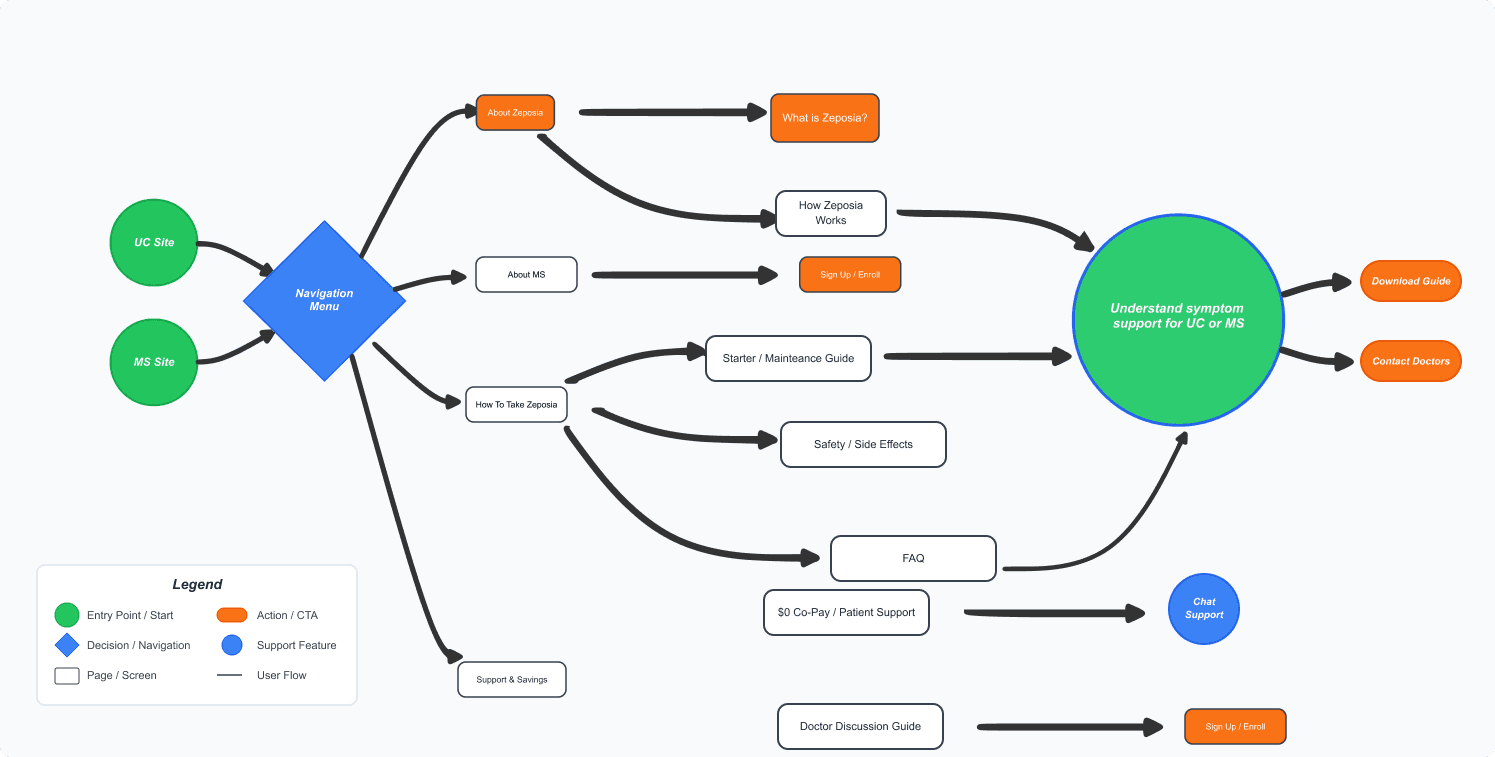
System Approach: Before designing it’s important to me to understand how to the application flows from start to finish. I mapped out key entry, decision paths, and actionable steps. This shaped a bigger picture for myself to understand how intuitive and logical the redesign experience would feel for patients. This also allowed the team to consolidate symptom relevant content into the “What Is Zeposia” page. Now we have streamlined content that enables both UC and MS patients to quickly understand how ZEPOSIA may help manage their symptoms and support treatment-related conversations.
Shipped Example: UserFlow Chart mapping UC & MS Website
Anatomy
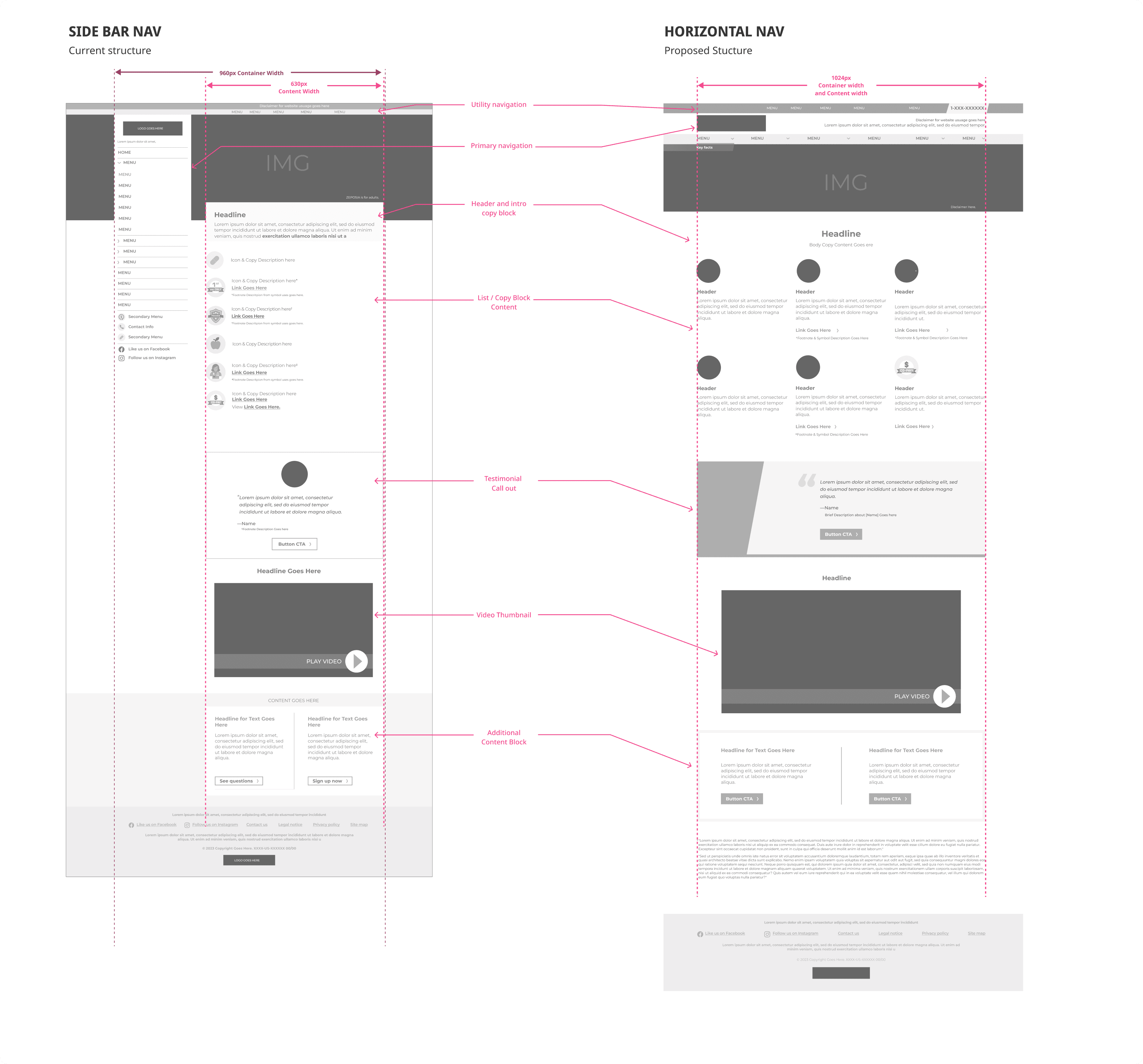
System Approach: To reduce visual overload I proposed we structure content that dominated a full - width view separating the navigation from main content and improving content consumption. This page relies heavily on long - form content so our team focused on balancing patients processing information through modular sections, iconography & typography guidance along with a 4 - point grid system.
Shipped Product: Wireframes from UX Audit
Closing Remarks
Redesigning ZEPOSIA for UC and MS focused on simplifying a complex healthcare experience into a clear, patient-centered storytelling. By prioritizing clarity, empathy, and patient-storytelling we introduced full-width navigation, reduced content overload, and refined iconography to improve comprehension and wayfinding. Each design decision was grounded in UX/UI best practices to guide patients to reliable information with minimal friction.